Why self-publish when you've already written a manuscript?
New authors entering the publishing industry often face a steep reality shock. Many assume writers earn royalties and income from book sales, believing that high-quality manuscripts loved by readers will lead to bestsellers and passive revenue. However, after completing a manuscript and consulting publishers, they discover they may actually need to pay for publication themselves. This can be discouraging and raise questions: Is self-publishing the only way to fulfill my dream of getting a book out there? What happens to the hard-earned manuscript I've worked so hard on?
Book publishing is a specialized niche industry that most people rarely encounter in daily life, and many are unfamiliar with its actual operations. Traditionally, authors are seen as glamorous professionals who deserve market rewards simply for producing compelling content. However, the reality of today's book market has changed dramatically.
Publishers are now fully converted to enterprise status and operate on a market-driven, self-sustaining model. For publishers, publishing a book is a commercial investment: from editing and typesetting design to printing, logistics, distribution, and promotion, the total cost ranges from tens of thousands to hundreds of thousands of yuan. Publishers will only commit full funding for public-funded publication (i.e., paying authors royalties) if they are confident the manuscript has strong market potential and can generate profit. If there is no clear assurance of sales, publishers will not take the risk of investing, as unsold inventory could lead to significant losses.
With the rapid growth of the internet, knowledge dissemination channels have become increasingly diverse. Platforms such as WeChat Official Accounts, web novels, short videos, and self-media have surged, significantly diverting readers from print books. This has intensified competition in the physical book market and made publicly funded publishing opportunities even scarcer.
In today's market, diverse publishing models—including self-publishing, subsidized publishing, and collaborative publishing—have emerged. Many private publishing houses now handle downstream operations for traditional publishers: the latter manage core compliance tasks such as content review (three rounds of editing and proofreading) and ISBN registration, while private companies execute specific workflows like manuscript editing, typesetting, design, printing, and marketing. Through this multi-party collaboration, we meet varied authors' publishing needs and enrich the overall book market.
However, this does not mean all manuscripts must be self-published. Traditional publishing with royalties still exists, though it has a higher bar: manuscripts need a clear market positioning and an established audience. Without sales potential, publishers are unlikely to greenlight traditional projects.
For general writers, finishing a manuscript doesn't mean you must pursue traditional publishing. Objectively weigh the pros and cons of different publishing models and align your choice with your original goal: polish your manuscript for mass-market appeal to secure traditional publishing, or consider self-publishing and make a rational decision.
Need to publish a book? Consult a professional publishing consultant now.
Free Manuscript EvaluationRelated News

Listen to the Voices of the New Generation: "Dialogue with Young People" Now Available – Bridging Generational Gaps
2026/07/23
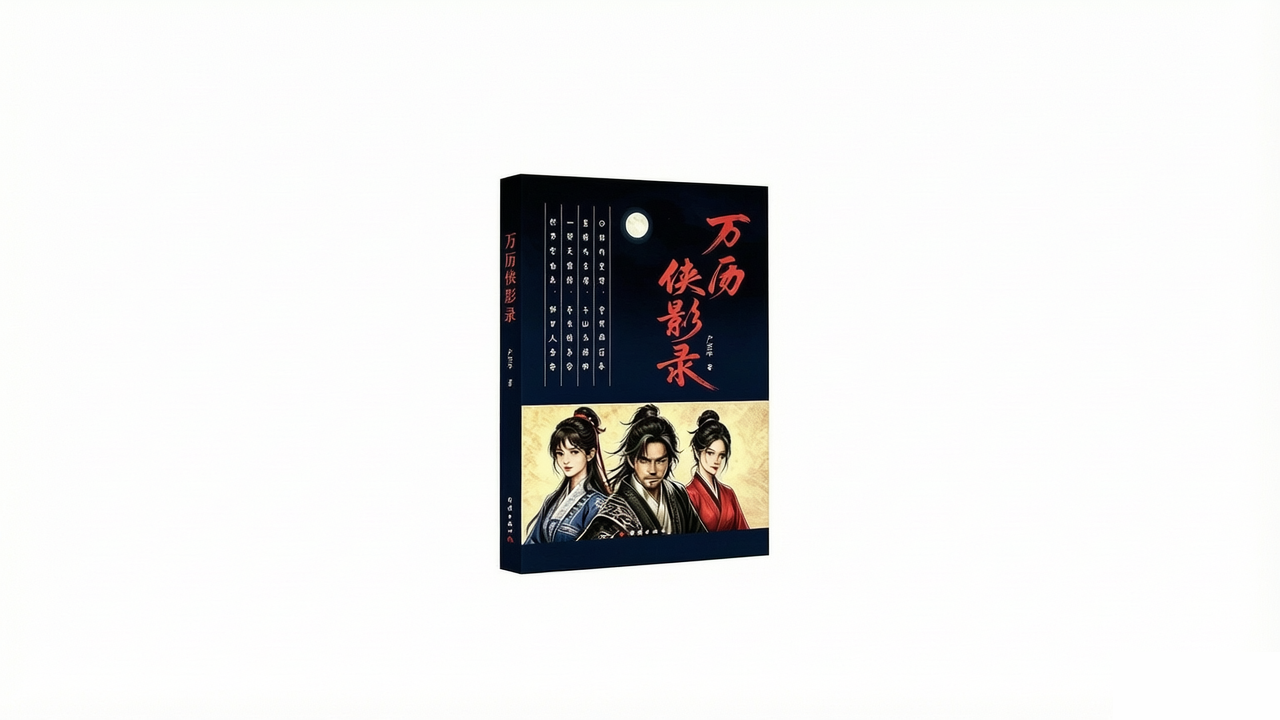
New Epic of the Wanli Era: "The Legend of the Righteous" Published, Chronicling Late Ming Turmoil with Patriotism and Chivalry
2026/07/23
Brand Portfolio Expands: Beijing Bozhong Xingye Successfully Registers "Sui Hua Ji" Trademark, Strengthening Core Competencies in Content Creation and End-to-End Publishing Services
2026/07/22
Double-Brand Strategy Takes Another Step: Beijing Bozhong Xingye's "Qianjuan Shushe" Trademark Approved, Empowering Upgrades in End-to-End Book Design and Publishing Services
2026/07/22